
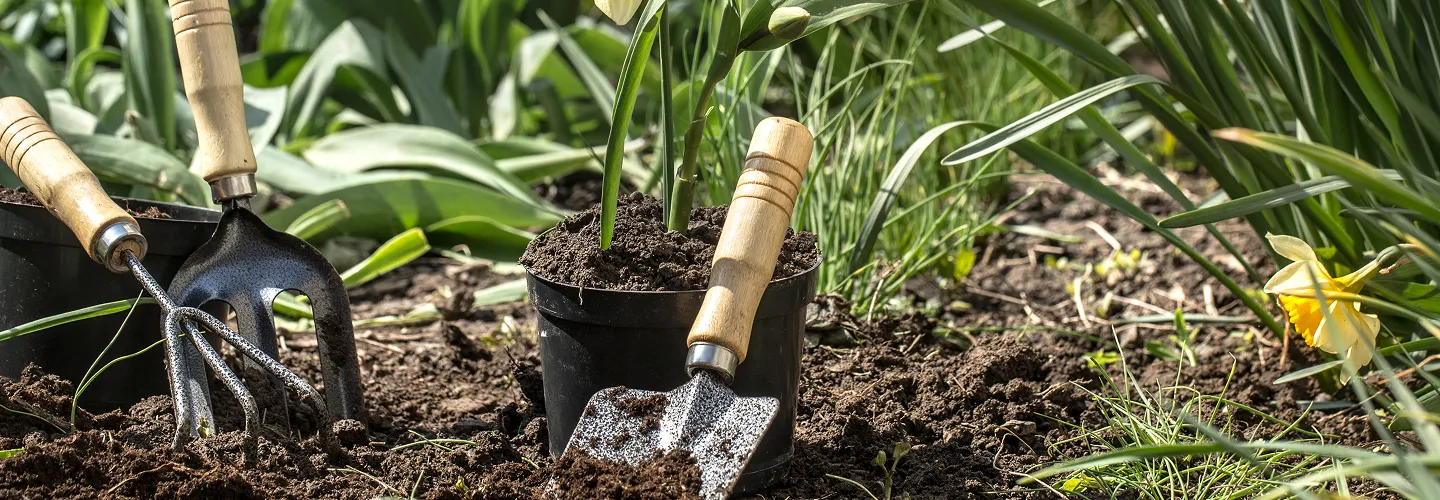
Portland Green Waste Disposal Services
Choose our Green Waste Disposal for reliable, sustainable, and hassle-free removal—helping you keep your property clean while protecting the environment.
Get a Free QuoteOur Portland Landscaping & Yard Care Services
When to Schedule Green Waste Disposal in Portland, Connecticut – Seasonal Guide
In Portland, Connecticut, the best times to schedule green waste disposal are closely tied to our region’s unique climate and landscape. Spring and late fall are typically optimal, as these periods align with the end of frost and the final leaf drop, respectively. The neighborhoods near Meshomasic State Forest and along Main Street often see increased yard debris after heavy spring rains or autumn storms, making timely disposal essential for maintaining curb appeal and healthy landscapes.
Local environmental factors play a significant role in determining the right schedule. For example, Portland’s variable humidity and occasional drought risk can affect how quickly organic waste decomposes, while shaded lots in areas like Gildersleeve may accumulate more moss and leaf litter. Soil type, especially in riverfront properties, can also influence how much debris is generated and how often removal is needed. For more information on local environmental guidelines, visit the Sudbury municipal site.
Local Factors to Consider for Green Waste Disposal in Portland
- Tree density and species (e.g., maple and oak in the Bartlett Street area)
- Terrain and slope, especially in hillside neighborhoods
- Seasonal precipitation and storm frequency
- Municipal restrictions and scheduled pickup dates
- Proximity to water sources like the Connecticut River
- Shade coverage and undergrowth accumulation
Benefits of Green Waste Disposal in Portland
Eco-Friendly Waste Management
Promotes Healthy Landscapes
Reduces Landfill Impact
Supports Local Sustainability
Convenient Pickup Services
Cost-Effective Disposal Solutions
Portland Green Waste Disposal Types

Yard Debris Removal
-
Composting Services
-
Brush and Branch Recycling
-
Grass Clipping Collection
-
Leaf Pickup
-
Tree Stump Disposal
-
Mulch Creation
Our Green Waste Disposal Process
Collection of Green Waste
Sorting and Separation
Transport to Disposal Facility
Eco-Friendly Processing
Why Choose Portland Landscape Services
-
Portland Homeowners Trust Us
-
Expert Lawn Maintenance
-
Reliable Seasonal Cleanup
-
Competitive Pricing
-
Professional Team
-
Satisfaction Guarantee
-
Personalized Service
Portland’s Weekly Green Waste Collection: Schedules, Accepted Materials, and Compliance
Green waste disposal in Portland, CT is managed through a municipal curbside collection program overseen by the Department of Public Works. Weekly pickup occurs every Thursday from April through November. Residents must use biodegradable paper bags or rigid, reusable containers (32-gallon maximum) for leaves, grass clippings, and brush under 4 feet in length. Plastic bags and branches over 4 inches in diameter are strictly prohibited. To ensure compliance, all containers must be placed curbside by 7:00 AM on collection day. Violations may result in fines or non-collection. For large volumes or off-schedule disposal, the town transfer station accepts green waste during posted hours. Residents are encouraged to review the full list of accepted materials and seasonal updates on the municipal website.
Portland Department of Public Works
33 East Main Street, Portland, CT 06480
Phone: (860) 342-6733
Official Website: Portland Department of Public Works
Soil Series and Drainage Considerations for Green Waste in Portland’s Glacial Till Landscapes
Portland’s predominant soils, including Charlton-Chatfield and Paxton series, are derived from glacial till and are typically moderately acidic (pH 5.5-6.5) with variable drainage. Many residential areas experience poor drainage and seasonal water tables at 12-18 inches, increasing the risk of nutrient runoff if green waste is not properly managed. Composting on-site is recommended only if piles are sited at least 25 feet from wetlands and 50 feet from property lines. Incorporating 2-3 inches of compost into the top 6 inches of soil can improve structure and organic matter. Residents can access detailed soil maps and guidance through the USDA Web Soil Survey. Soil testing is available via UConn Extension for $15-25 per sample, providing recommendations for lime or sulfur amendments as needed.
Environmental Compliance: Wetland Buffers, Stormwater, and State MS4 Regulations in Portland
Green waste disposal in Portland must comply with local and state environmental regulations to protect the Connecticut River, local streams, and designated wetlands. The town enforces a 25-foot no-disturbance buffer from all wetlands, and no green waste may be deposited within this zone. Under the Connecticut Environmental Protection Act and the Clean Water Act, Portland operates under an MS4 permit, prohibiting yard waste from entering storm drains. Residents must ensure that leaves and clippings are not raked or blown into streets or catch basins. Violations can result in enforcement actions by the Conservation Commission.
Portland Conservation Commission
33 East Main Street, Portland, CT 06480
Phone: (860) 342-6715
Official Website: Portland Conservation Commission
Connecticut Department of Energy and Environmental Protection
79 Elm Street, Hartford, CT 06106
Phone: (860) 424-3000
Official Website: Connecticut Department of Energy and Environmental Protection
Equipment Operation Hours and Safety Standards for Green Waste Handling in Portland
Portland enforces strict noise and equipment operation ordinances for green waste handling. Permitted hours for powered equipment such as chippers and blowers are:
- Monday-Friday: 7:00 AM - 7:00 PM
- Saturday: 8:00 AM - 6:00 PM
- Sunday and holidays: Prohibited
All operators must use commercial-grade equipment with functioning mufflers, and noise levels must not exceed 85 decibels at the property line. Personal protective equipment (PPE) is required, including:
- ANSI Z87.1 safety glasses
- Hearing protection for noise above 85 dB
- Steel-toed boots and cut-resistant gloves
For work near public roads, traffic cones and advance warning signs are mandatory. The Department of Public Works provides additional safety guidance for large-scale debris operations.
What Neighborhoods Do We Serve Throughout Portland, CT?
- Gildersleeve: Characterized by mature tree canopies and older homes, this area often requires frequent leaf and brush collection, with narrow streets affecting equipment access.
- Portland Center: The historic downtown features compact lots and proximity to the Connecticut River, necessitating strict compliance with wetland buffer and stormwater regulations.
- Cobalt: Rural and semi-rural, Cobalt properties have larger lots, variable soil drainage, and often require on-site composting or transfer station use for larger debris volumes.
- Maromas: Bordering conservation lands, Maromas includes sensitive habitats and protected wetlands, requiring careful adherence to buffer zones and disposal restrictions.
- East Portland: Newer subdivisions with clay-rich soils and moderate slopes, where drainage management and containerized collection are especially important.
- Silver Lake Area: Proximity to water bodies and recreational areas means heightened enforcement of no-dumping rules and seasonal collection adjustments.
Seasonal Timing and Weather Considerations for Green Waste Disposal in Portland’s Climate Zone
Portland is located in USDA Hardiness Zone 6b, with a typical green waste season from mid-April through late November. Spring cleanup should begin after soil temperatures reach 50°F (usually by April 15), while fall collection concludes before the first hard frost (typically late October). The National Weather Service Boston/Norton office provides local forecasts to help schedule yard work around rain events, which can saturate glacial till soils and delay collection. Residents should avoid placing green waste curbside during heavy rain to prevent runoff and ensure materials are dry for pickup. For optimal composting, maintain pile temperatures between 130-150°F and turn every 2-3 weeks during the active season. For additional guidance, consult UConn Extension for best practices tailored to Portland’s climate and soil conditions.